
Driving delivery-driven changes in food and drink facilities: dig-ital dining dynamics


Picture a kitchen that was only used to make food to be sent out. There would be no tables or staff in this kitchen. A cloud kitchen is just a simple kitchen where hungry people from all over the world can place orders through apps or the phone. A normal restaurant needs a dining area, staff to meet guests, and space for people to sit down. This model, on the other hand, only cares about making and serving good food. With this set-up, prices stay low, speed stays good, and customers have more options. This gives food and drink services a new way to go.
Less waste, more production
Traditional restaurants often have big costs for things like rent, decorations, and staff for the front desk. It’s possible to run with less money if you don’t hire hosts and waitresses or set up a dining room. Since there are fewer workers and less room to take care of, cooking becomes the only thing that matters. This saves money for both the customer and the company. That means menus will cost less and businesses will make more on each order. Each meal is a win for both the company and the customer.
Operations with a focus and faster delivery
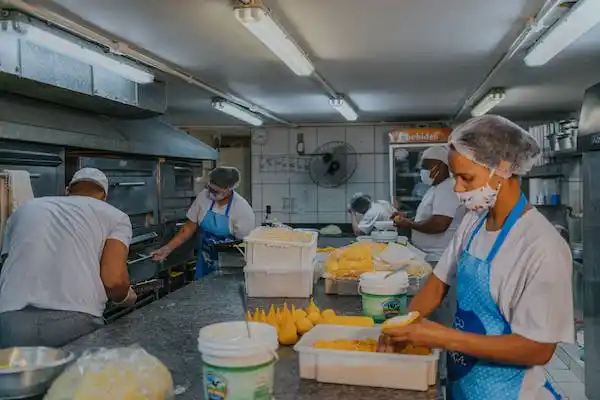
When chefs only have to cook for delivery, they can make sure that the process is quick and consistent. In just a few easy steps, each meal goes from the chef to the courier. As orders come in, cooks follow a clear plan to make each item, and drivers pick up hot, fresh food so it can get to you quickly. Customers will trust you more because of this clear road, which cuts down on waste and mistakes. They can then get better reviews and more sales from people who have already been there.
Room to Move and a Wide Reach
Since you can run different menus from one place, it’s easy to try out new ideas with little risk. A food service can quickly follow trends thanks to virtual brands and shared kitchens. It’s easier to open a second or third site when the dining hall doesn’t need to be designed. Instead, one hub can run a small, efficient kitchen that serves the whole city or even several towns. It gives them a lot of power to grow quickly and change with the times.
Scalable ease of use and smart cost savings
These days, everything in a cloud kitchen approach works together, from staffing to storage. After the cooks get to work, the meals are sent out in a clear order. There are no extra rooms to clean, big front counters, or places for guests to sit. Food service businesses can save time, cut down on waste, and keep quality high by putting all of their processes in one simple space. This lean design makes sure that resources go straight to what’s most important: delivering fresh, tasty food on time.
These digital-first kitchens are a new era in the food and drink world. They are all about cooking and delivering food. By moving away from dine-in rooms and toward output only, they show how to save money and quickly. These sets ups will shape the next generation of eating as more people choose to eat online. The switch to this smart, simple style is a good idea for anyone who wants to serve tasty food with less fuss and more reach.

A Guide to Bozeman Taprooms for Food, Beer and a Night Out

You want a taproom plan that delivers great beer, real food, and a relaxed night with friends. I study taprooms...
Restaurants on the Costa del Sol: where to eat along Spain’s sunny southern coast

Most people arrive on the Costa del Sol expecting beach bars, sangria and tourist menus. And yes, all of that...

Polynesian Fire Luau Myrtle Beach: Show Details, Menu, and Visitor Reviews


What Is Polynesian Fire Luau in Myrtle Beach? Polynesian Fire Luau is a unique dinner theatre experience in Myrtle Beach,...

Comparing Spray Drying and Freeze Drying for Food Production
In the food industry, dehydration is a critical process for extending shelf life, reducing storage costs, and creating convenient products.Among...